Who doesn’t know Korean skincare? Almost all of us have at least one Korean product on our vanity, and honestly, since I started using Korean skincare, my skin has become much closer to what I always wanted it to be. Korean brands have changed the skincare industry worldwide.
But here’s the real question: do Koreans themselves use these same viral brands and products? Koreans are famous for their glass skin and multi-step beauty routines, so do they reach for the same viral products we do, or is there a secret? I looked closely at what Korean dermatologists, influencers, and people connected to the skincare industry actually say and use, and I learned a few interesting things. Some brands that are hugely hyped around the world aren’t the ones most Koreans actually reach for. Here’s exactly which products and brands those are, category by category.
Quick Answer: Global Hype vs. Korean Picks, by Category
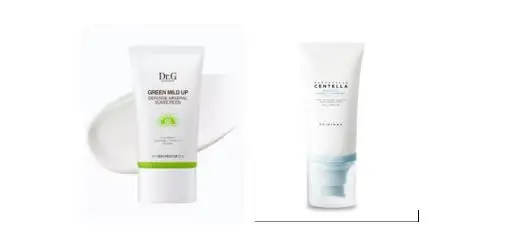
- Sunscreen: Koreans favor Round Lab Birch Juice Sunscreen and Dr.G Green Mild Up Sun+, over globally hyped SKIN1004, COSRX, and Beauty of Joseon.
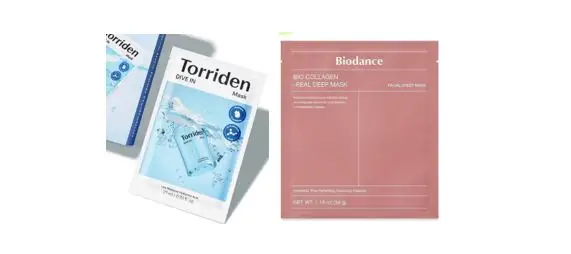
- Sheet masks: Torriden Dive-In and the Abib Mild Acidic pH Mask are local staples, while Medicube and Biodance dominate overseas.
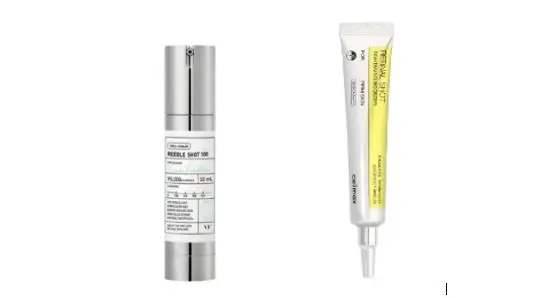
- Spicule serums: The VT Reedle Shot is Korea’s go-to, versus the globally viral Celimax Vita-A Retinal Shot Tightening Booster.
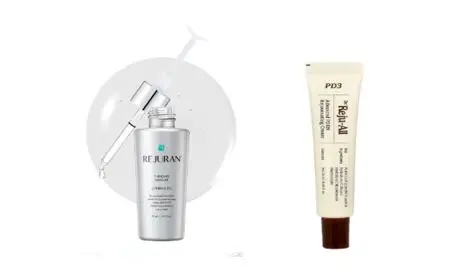
- PDRN: Rejuran’s Healer Turnover Ampoule is Korea’s long-trusted pick, while the Dr. Reju-All PDRN Cream went viral in the US.
- Cleansers: Torriden, mixsoon, and beplain are local favorites, against globally popular Anua, SKIN1004, and Some By Mi.
- Barrier creams: The Aestura Atobarrier365 Cream is a Korean favorite, versus the US best-selling Dr.Althea 345 Relief Cream.
Sunscreen: Global Favorites vs. Korean Picks
Let’s start with the sunscreens the world loves. I’m personally a fan of the SKIN1004 Madagascar Centella sunscreen. COSRX and Beauty of Joseon sunscreens are also global favorites, but in Korea these brands aren’t as dominant locally. In my research, SKIN1004 doesn’t even appear among the top 10 brands on Olive Young’s local rankings (rankings change often, so check the current list).
Two sunscreens Koreans often favor are the Round Lab Birch Juice Moisturizing Sunscreen and the Dr.G Green Mild Up Sun+ (SPF 50+). Based on the reviews of local Koreans, these two are rated very highly, in some cases even higher than the global favorites. Still, everyone has their own skin preferences, so choose what suits yours.
Mask Mania: Medicube and Biodance vs. Torriden and Abib
Everyone is going crazy about sheet masks, and for good reason. Of all skincare steps, masks are the ones that can give you an instant, visible result: a dehydrated face looks plumper, more hydrated, and glassy in no time (this effect is temporary). But which one should you choose? We’ve all seen Medicube masks and Biodance masks all over social media.
Korean locals often prefer the Torriden Dive-In Low Molecular Hyaluronic Acid Mask and the Abib Mild Acidic pH Sheet Mask.
Among the global favorites, Medicube masks are everywhere online. Biodance is one of the best-sellers worldwide, and it’s also well recognized in Korea.
The Spicule War: VT Reedle Shot vs. Celimax Vita-A Retinal Shot
The global favorite here is the Celimax The Vita-A Retinal Shot Tightening Booster. The one on my vanity right now is one of the best products I’ve bought so far. It’s hydrating, and after a month of use I’ve seen visible firming results. But do Koreans love it too?
Koreans’ best-selling staple is the VT Reedle Shot, and most people pick it. It uses “reedles,” tiny spicules made from freshwater sponge that are smaller than a pore. According to the brand, they create microscopic channels in the outer layer of the skin and help the products you apply afterward absorb better. Because of this physical effect it can tingle and irritate, so it’s not for red, sensitive, or reactive skin. The Celimax booster is gentler in terms of spicule effect, but it also contains retinol/retinal, so it can still irritate. It tingles a little, yet it feels very moisturizing on my skin. Anyone with sensitive skin should do a patch test first, start slowly at night, and wear sunscreen during the day.
The PDRN Battle: Rejuran vs. Dr. Reju-All
PDRN is the new obsession on social media, and this K-beauty trend has taken over not only Korea but the whole world. PDRN (polydeoxyribonucleotide) is a DNA-based ingredient, usually derived from salmon, that’s popular for supporting skin recovery and texture.
The most famous pick, especially in America, is the Dr. Reju-All Advanced PDRN Rejuvenating Cream, which has gone viral in the US. It contains 1,200 ppm of PDRN, a level the brand describes as optimal for cosmetics (this is a marketing claim, not an official standard). The formula is a gel-type cream that’s really moisturizing and never feels heavy.
Now let’s talk about Korea’s sweetheart, Rejuran. This brand has been around in Korea for a long time and is well recognized there. Its Healer Turnover Ampoule contains 0.5% c-PDRN and is designed to support skin glow and recovery. In my experience the texture feels slightly thicker, so massage it in gently and quickly, otherwise it can build up on the skin.
Cleanser Clashes: Anua and Some By Mi vs. Torriden and beplain
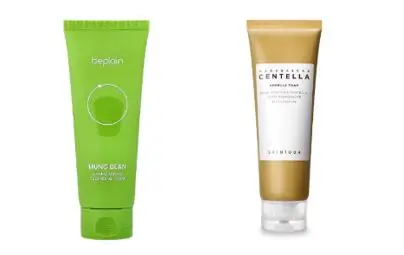
The global cleanser picks are Anua, SKIN1004 Centella, and Some By Mi. I’ve tried cleansers from all of these brands, and my favorite is the SKIN1004 Madagascar Centella foaming cleanser. It cleanses gently without leaving my skin tight or dry. Whether it suits acne-prone skin depends on the person, so do a patch test first.
The Korean picks are Torriden, mixsoon, and beplain. A Korean influencer I follow uses the beplain Mung Bean pH-Balanced Cleansing Foam and says it doesn’t leave her skin dry or tight. The brand says it’s suitable for all skin types, though results vary from person to person, and it has won several Korean beauty awards, including at Olive Young and Hwahae.
Creams and Barrier Care: Aestura Atobarrier365 vs. Dr.Althea 345 Relief Cream
This was a really difficult pick, because the barrier creams I found everywhere were loved globally and in Korea alike. Still, I managed to do a comparison.
Let’s start with the Dr.Althea 345 Relief Cream, which is a best-seller in the US but isn’t a big hit in Korea. Its name comes from its formula: 3 ingredients for blemish care (resveratrol, tannic acid, and niacinamide), 4 for nourishing care (beta-glucan, hydrolyzed hyaluronic acid, ceramide NP, and PDRN), and 5 for soothing care (camellia sinensis water, tea tree water, centella water, madecassoside, and centella PDRN). Other ingredients in the formula include panthenol and houttuynia cordata extract. It’s a lightweight gel-cream that’s lovely for skin texture.
And now to everyone’s favorite in Korea (and mine too): the Aestura Atobarrier365 Cream. This cream is formulated to mimic the skin’s natural lipids with ceramides, fatty acids, and cholesterol. You’ll notice tiny visible capsules in the cream — these come from the brand’s DermaON technology, which holds the ceramides in the skin barrier for longer. It’s great for dry and sensitive skin. Whenever I go through a skin treatment, I apply it to my skin and it feels so soothing.

The Bottom Line
For me, I love all of these products as long as they work for my skin concerns, suit my skin type, and of course fit my budget. A product not being viral in one country doesn’t mean the product or the brand is bad. People simply have their own preferences, and some brands have been around locally for a long time and have built trust over the years.
FAQs
Are the products Koreans don’t use less effective?
Not necessarily. Popularity in a country says more about local trends, marketing, and availability than about how well a product works. Many products that are less popular in Korea still work well for the right skin type.
Are the viral products claimed to be Korean not actually Korean?
No, these are genuinely Korean brands. They’re just more heavily marketed and hyped overseas than at home, while Koreans often stay loyal to local favorites.
Is Korean skin different from the rest of the world?
There’s no single “Korean skin type.” Koreans have dry, oily, combination, and sensitive skin just like everyone else. The differences lie in climate, routines, beauty trends, and personal preferences.
Disclaimer
I am not a dermatologist. I’m just experimenting and sharing my personal experience with these products. Everyone’s skin is different, so what works for me may not work for you. Please patch test any new product, and consult a dermatologist for medical or skin-condition advice. Product details such as ingredients, concentrations, and brand claims come from brands and retailers, can change over time, and should be confirmed on the packaging.